Fill Foster Kids’ Closets
A Lincoln foster mom got the late-night call for a child with nothing. She discovered a closet that offered more than clothes; it offered a voice.
By Brittany Wren
The phone rings late — a familiar sound that splits the quiet of the night. For a foster parent like Jessica, it’s a call that means a child is in crisis and needs a safe place to land. Her heart is ready, but her home isn’t. Not completely.
What follows is a frantic, late-night rush to a 24-hour store, the fluorescent hum of the lights illuminating a daunting shopping list. A car seat. A pack-and-play. Bottles, formula, clothes.
“We probably spent about three or four hundred dollars out of pocket the first night,” Jessica recalls. It’s the immediate, un-reimbursed cost of saying yes, a financial scramble that happens long before any state stipend arrives. For one newborn placement, that scramble was compounded by five weeks of unpaid maternity leave. But as Jessica and her husband opened their home to more children, she uncovered a deeper, more painful crisis that no amount of money could immediately fix. It was the crisis of ownership.
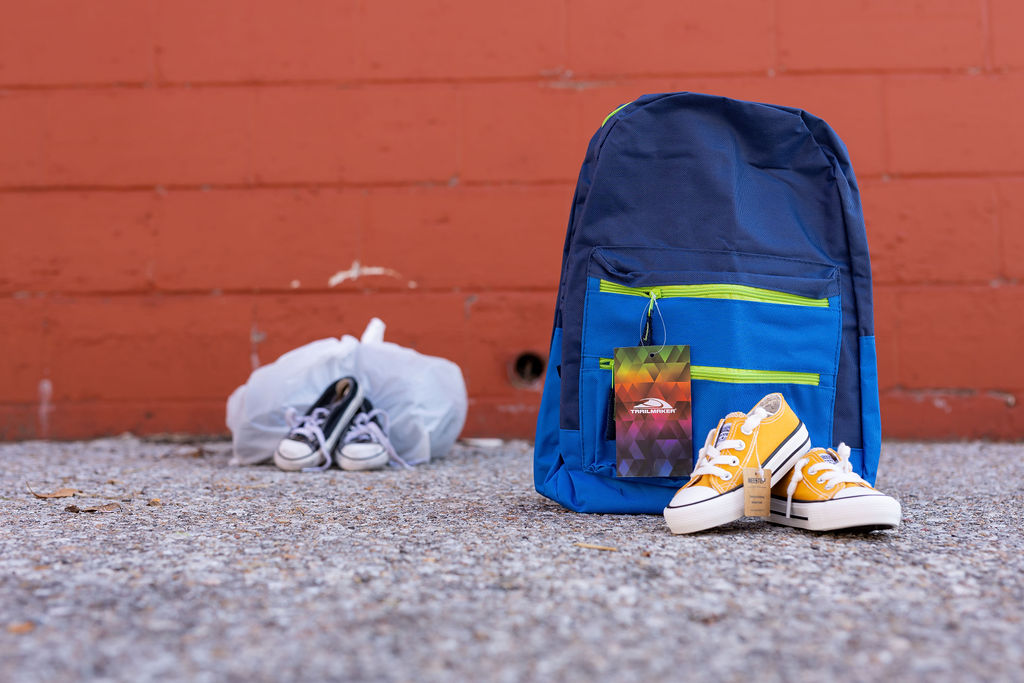
Photo caption: Children entering Foster care often come with just a garbage bag of belongings, or just the clothes they are wearing. Foster Care Closet provides these youth with new belongings and a sense of pride. Photo credit: Rebecca Marie Photography
“Children leave with sometimes nothing and go into homes where they are given things, but not always forever,” Jessica explains. “They have so little control in their lives. Picking out new clothes is trivial to so many, but to a foster kid, it is something that can make them feel like they have a voice, they have some say.” This is the critical gap filled by the Foster Care Closet of Nebraska.
“[Foster children] have so little control in their lives… Picking out new clothes is something that can make them feel like they have a voice.”
Jessica Westling Miller, Foster Parent
When Jessica’s youngest daughter, Millie, entered care at age two, she came with only the clothes on her back. Before Millie even arrived at her new home, her caseworker took her to the Closet. There, she not only received new outfits but also a small stuffed dog — a simple comfort item that, seven years later, is still a treasured possession, a tangible piece of her story that is wholly hers.
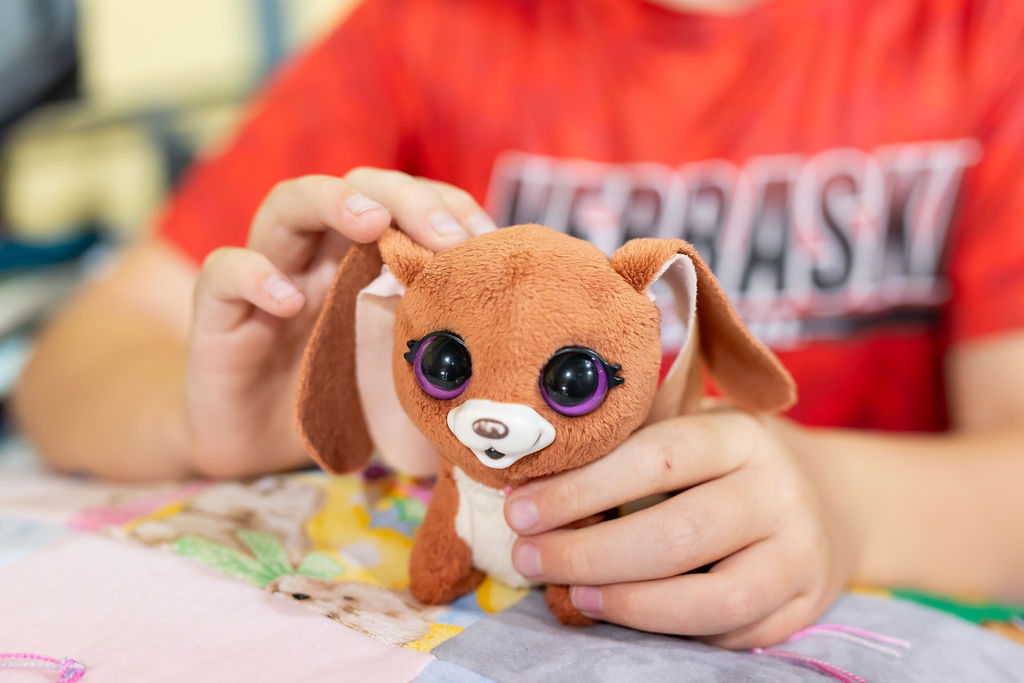
Photo caption: The stuffed dog given to a child by the Foster Care Closet, still adored six years later. Photo credit: Rebecca Marie Photography
The support often went beyond small comforts. For another newborn placement, the Closet provided a brand-new stroller — not a flimsy, cheap model, but a high-quality one that could accommodate an infant car seat. “You’re able to get that for free,” Jessica says, the relief still evident in her voice. “And it made a big difference.” It was another example of the Closet stepping in to carry the financial weight so that she could focus on carrying the child.
The woman who understood this need most profoundly is Leigh Esau. She had lived it.
Watch this inspiring video of Leigh and Jacie.
“I spent the first seven years of my life in foster care,” says Leigh, the founder of the Foster Care Closet. Later, as a foster parent herself for 13 years, she was struck by a startling reality. “There was no difference in how kids today are entering our foster care system than when I entered. 30 years, nothing had changed.”
What started in her basement in 2006 as a way to help foster parents has since evolved into a statewide organization with a singular, child-focused mission: to restore dignity.
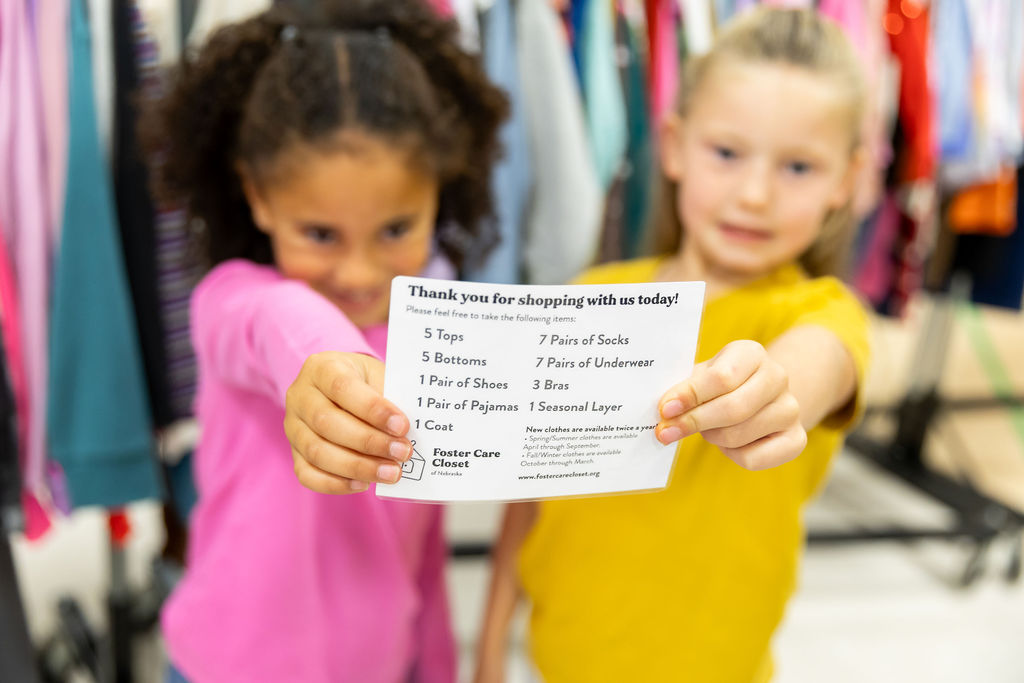
Photo Caption: Twice a year, Foster Care Closet gives each youth five seasonally appropriate outfits, shoes, pajamas, and a coat. Photo credit: Rebecca Marie Photography
“In the foster care world, one of the first things kids lose is their voice,” Leigh says. “All decisions are made for them. By being able to pick out their own clothing, it gives them a space where they get their voice back.”
“In the foster care world, one of the first things kids lose is their voice. All decisions are made for them. By being able to pick out their own clothing, it gives them a space where they get their voice back.”
Leigh Esau, Foster Care Closet Founder
Jessica’s 14-year-old daughter, Jacie, understands this better than anyone. Adopted as a baby, she has grown up with the stability her birth mother couldn’t provide, but she has a deep empathy for kids still navigating the system and articulates a truth that is often overlooked.
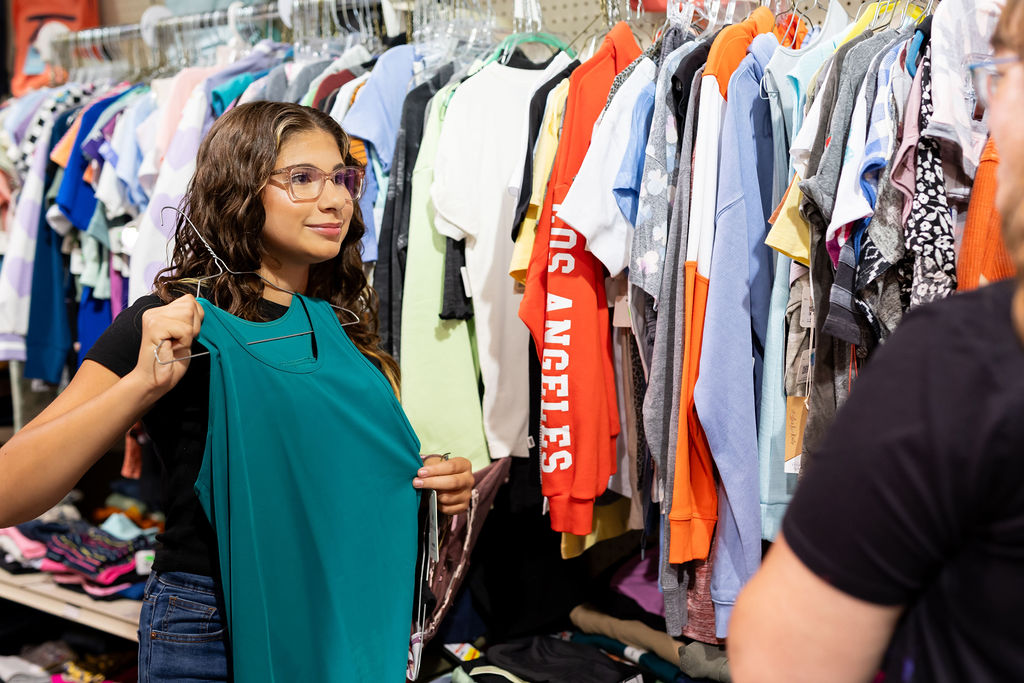
Photo caption: Former foster care 14-year old Jacie shops with her adoptive mom, Jessica. Photo credit: Rebecca Marie Photography.
“Having brand new clothes is really important, because you’re kind of making your own legacy in it,” Jacie says. “It’s not somebody else who’s been in it. It’s you, and only you. It gives you pride because you chose it, and it belongs to you. Some kids don’t know what that feels like.”
“Having brand new clothes is really important, because you’re kind of making your own legacy in it… It gives you pride because you chose it, and it belongs to you.”
Jacie, Former Foster Care Youth
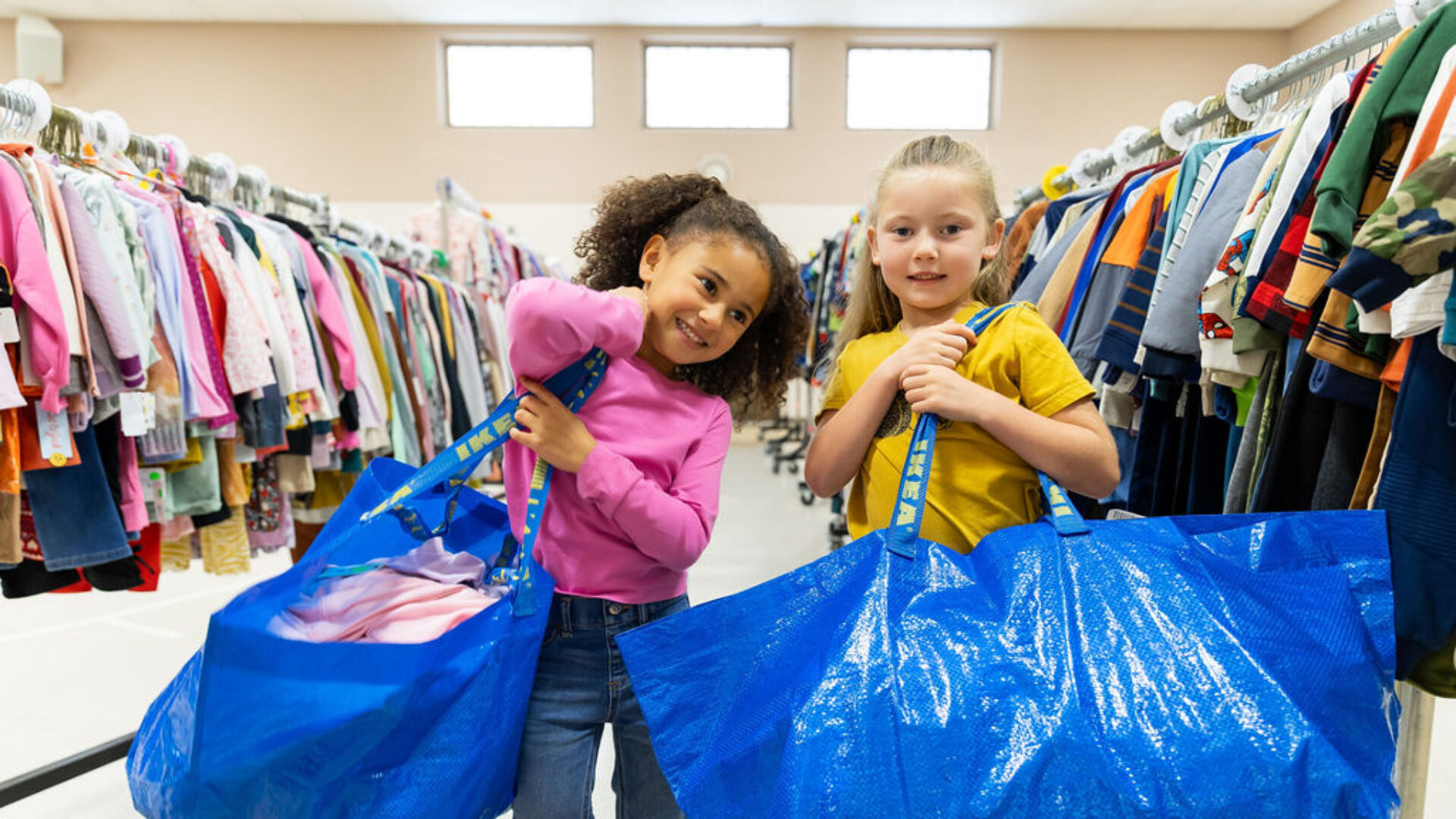
To give children that feeling of pride, the Foster Care Closet gives youth across the state the opportunity to shop their mobile closet twice a year. Staff and volunteers load up their truck and trailer to bring racks of new items to rural areas like Scottsbluff and North Platte. Foster families shop for free in churches and gyms at the Closet’s pop-up shops where youth pick out five new outfits, shoes, a coat, and a week’s worth of new socks and underwear.
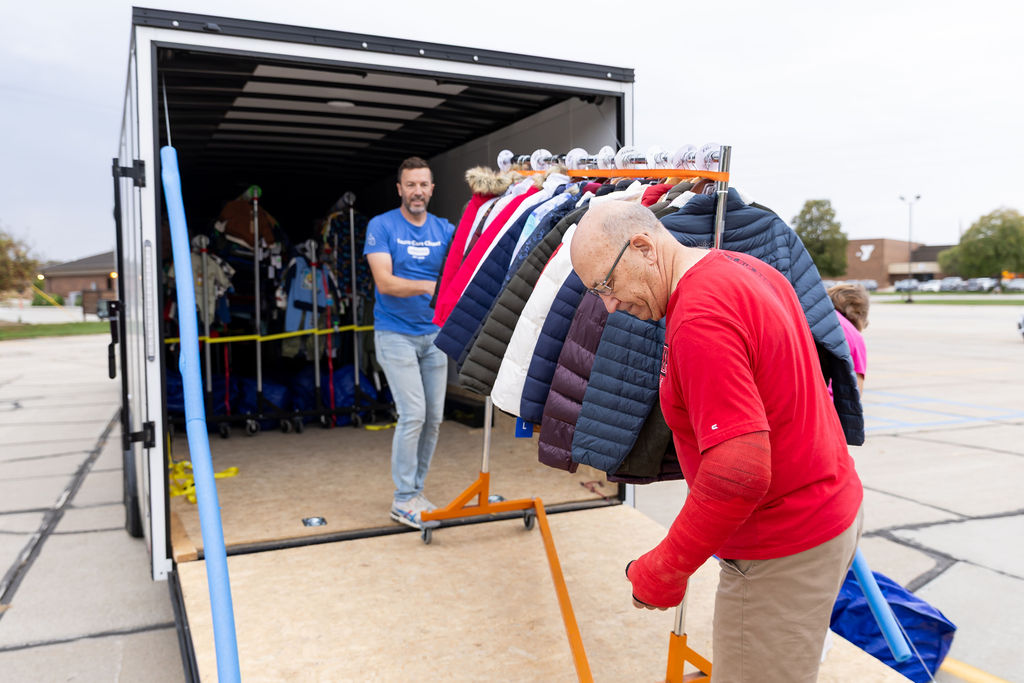
Photo caption: Staff and volunteers load up their truck and trailer to bring racks of new items to rural Nebraska. Photo credit: Rebecca Marie Photography.
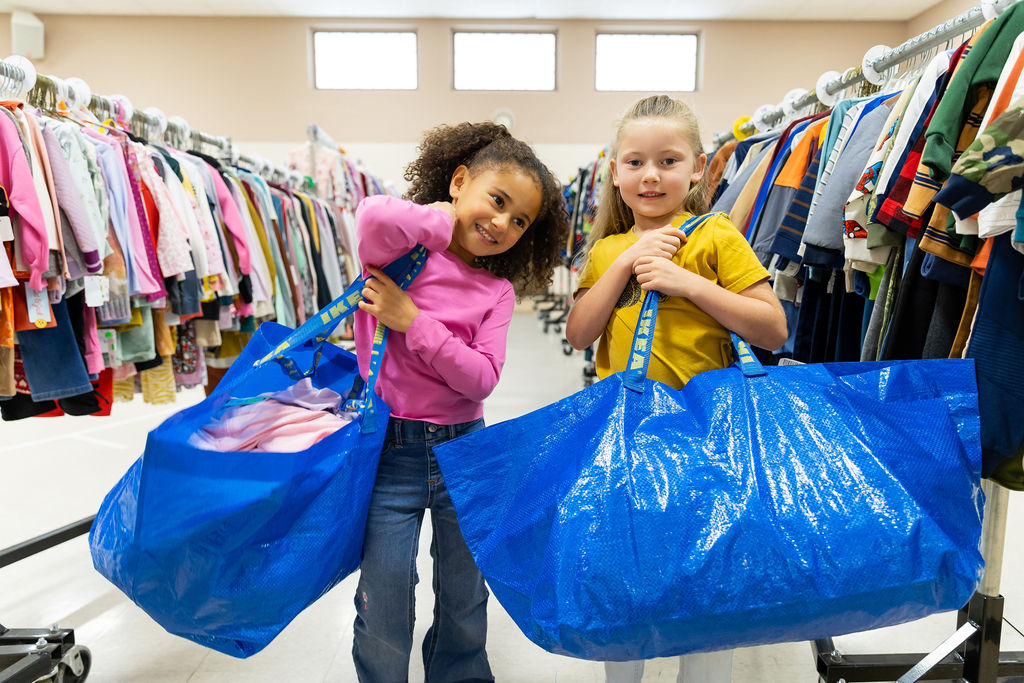
Photo caption: At each pop-up shop, foster youth can choose five new outfits, shoes, a coat, and a week’s worth of new socks and underwear. Photo credit: Rebecca Marie Photography.
For 12 years, the Foster Care Closet was supported by a partnership with the State of Nebraska. But in July 2025, that partnership ended when the Nebraska Department of Health and Human Services opted not to renew its contract, resulting in a sudden loss of $364,000 — about half the organization’s annual budget.
Now, the organization that served over 2,100 children in 2024 is almost entirely dependent on the community to continue its operations. The need is immense, but Leigh remains confident.
“We’re not going anywhere,” she says. “I’m here in the fight, not because of the closet, but because somebody needs to be advocating for these kids.”
“We’re not going anywhere.”
Leigh Esau, Foster Care Closet Founder
That fight comes down to the simple, profound act of providing a new beginning. For a child who has lost everything, the dignity of choosing a new pair of shoes — and getting to keep the box — is anything but trivial.
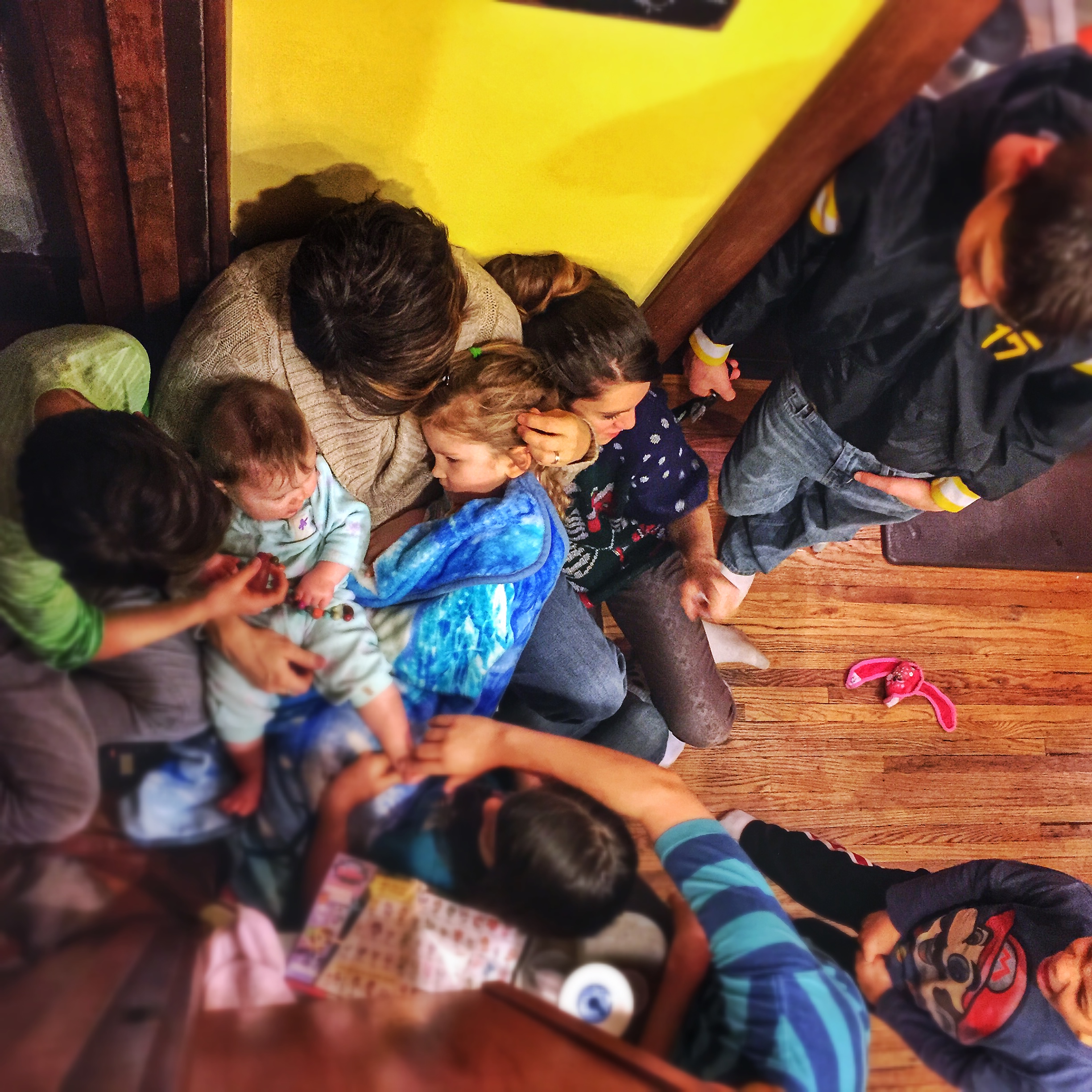
 In reality, homes where there is drug use, physical, sexual and emotional abuse, domestic violence, severe neglect, intolerable living conditions and unaddressed medical concerns are the leading causes of children being removed from the home. One of the most discouraging reasons for removal is extreme poverty. “If I could talk to the Church in America today, I would tell them, ‘We could stop this if each church helped meet the needs of even one family in extreme poverty.’ It’s so sad to me to see a family ripped apart because of poverty, but it does happen.” Leigh Esau, Executive Director for the Foster Care Closet said shaking her head. Multi-generational removals are also common. Grandparent was in foster care, parent was in foster care...now children are being removed.
  At the peak of this crisis, is the actual moment of removal. It is the critical point when children are introduced to foster care that we, as a ministry, have the opportunity to love them, care for them and meet their needs. In this moment, we can be the hands and feet of Jesus and provide compassion and dignity through the simple act of giving them some new clothes to wear, something to eat and maybe an empathetic ear or shoulder on which to cry. This is the Foster Care Closet Intake Care Center. It’s a calm place in the midst of the turbulent storm that is their life. Night or day, the Intake Care Center is there for these wounded children. We strive to be the first emotional bandages and spiritual first aid these kiddos receive when being introduced to foster care.
 It’s the middle of the night. Sleeping. You awake to someone leading you out of your bed. Stranger. Scared, your eyes dart around the room looking for familiar faces. There’s one. Mom. But she’s talking frantically with a lady. Mom hands Stranger a big black bag with something in it.